Civil society organizations in Ukraine still face barriers in administrative procedures (registration, making amendments to constituent documents, interaction with state authorities), regulatory burden, discretion, and reporting. At the same time, it was civil society that became one of the key factors in the state's resilience after the start of the full-scale war.
This was emphasized by participants at the Ukrinform roundtable "Problems of Activity and State Registration of NGOs: Prospects for Improving Legal Regulation," organized by the NGO "Ukrainian Center for Independent Political Research."
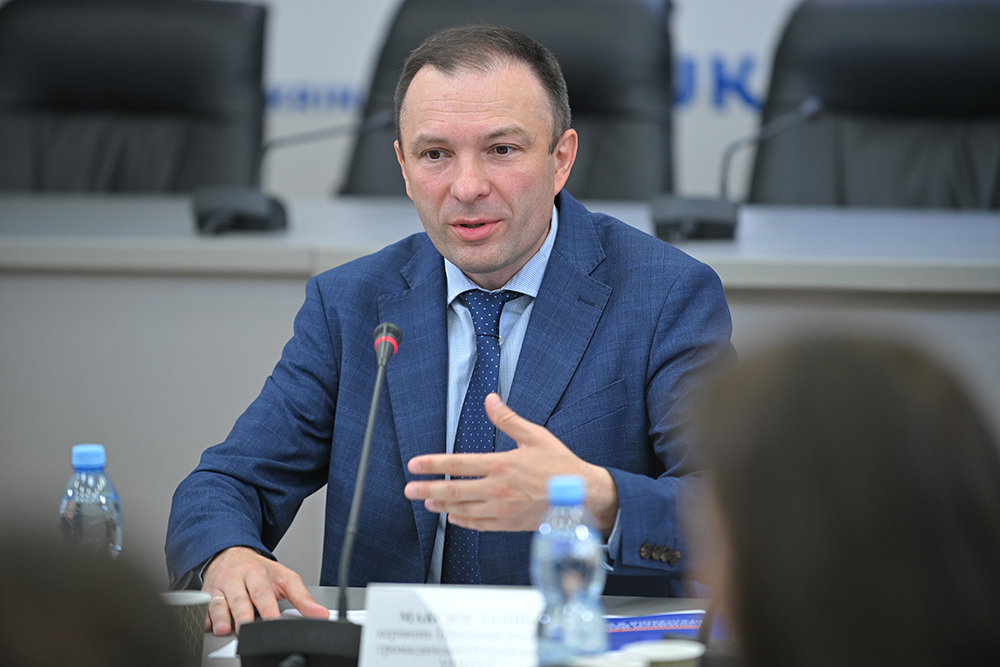
"The issue of creating a legal environment for the development of civil society is a matter of Ukraine's national security. After all, the leadership of the state and the Armed Forces of Ukraine note the major positive impact of the volunteer movement on the country's defense capability and citizens affected during hostilities," emphasized Maksym Latsyba, Head of the Civil Society Development Program at UCIPR.
Dmytro Yaprakh, UCIPR expert on freedom of association, presented the results of monitoring the legal environment and registration procedures for non-governmental organizations. According to him, after the start of the full-scale invasion, NGOs and volunteer organizations became the backbone of humanitarian response, evacuation, support for the military, and internally displaced persons. At the same time, the sector still faces outdated bureaucratic barriers.

"The monitoring demonstrated that among the main problems are excessive formalization of legislation, inconsistent practices of registrars, and outdated regulatory approaches. In particular, NGOs are still required to go through a complex procedure for registering symbols, and the outcomes of registration often depend on the practice of a specific registrar. That is why Draft Law No. 8084 is not only about technical changes to registration procedures, but about creating a modern and more favorable legal environment for civil society," Dmytro Yaprakh noted.

Anastasiia Soloviova, a lawyer for the civil society protection program at the Human Rights Center "ZMINA", positively assessed Draft Law No. 8084 and emphasized the importance of forming sustainable legislation for civil society.
In turn, Nataliia Povtar, a lawyer for the "Civil Society" department at the Center for Democracy and Rule of Law, emphasized that a significant part of the changes proposed in Draft Law No. 8084 had been discussed by the public sector since 2020 within the framework of work on the Legal Reform Roadmap for Civil Society.
Also, Serhiy Yuriev, Representative of the Secretariat of the Verkhovna Rada Committee on Legal Policy, informed that the vast majority of public proposals were reflected in Draft Law No. 8084. In January 2023, the Verkhovna Rada adopted this draft law in the first reading, but received more than 400 parliamentary amendments. In July 2025, after further public discussion and consideration of all amendments and proposals, the relevant committee recommended adopting the draft law in the second reading and as a whole.
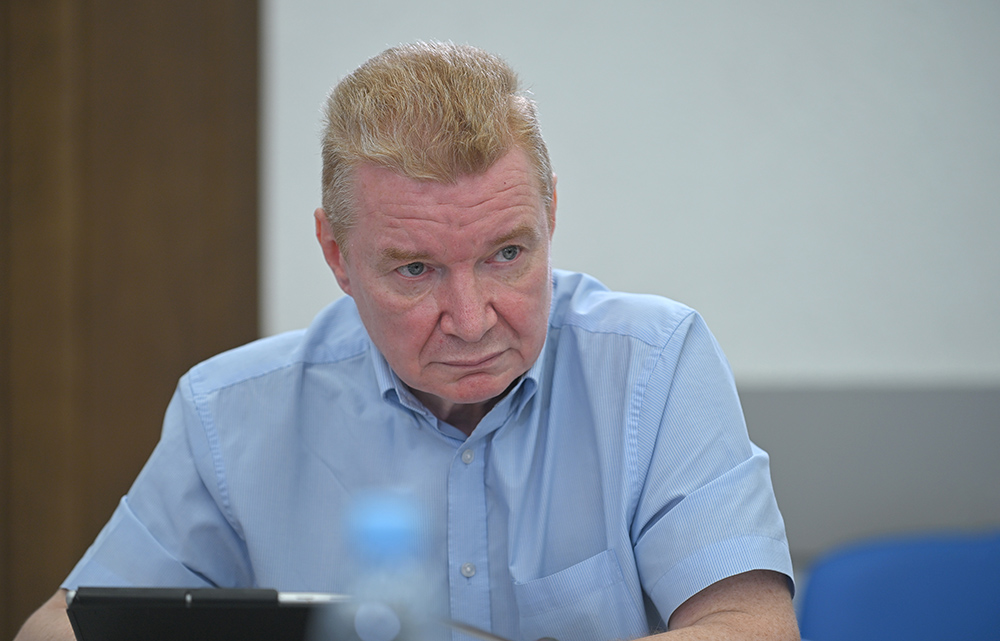
"At the same time, the Main Legal Department of the Verkhovna Rada found certain inconsistencies and inaccuracies in the text, and there was a danger of a repeat second reading. The Committee took these conclusions into account. Finally, right now the draft law is ready for consideration in the session hall and is included in the agenda of the current session of the Verkhovna Rada," Serhiy Yuriev noted.
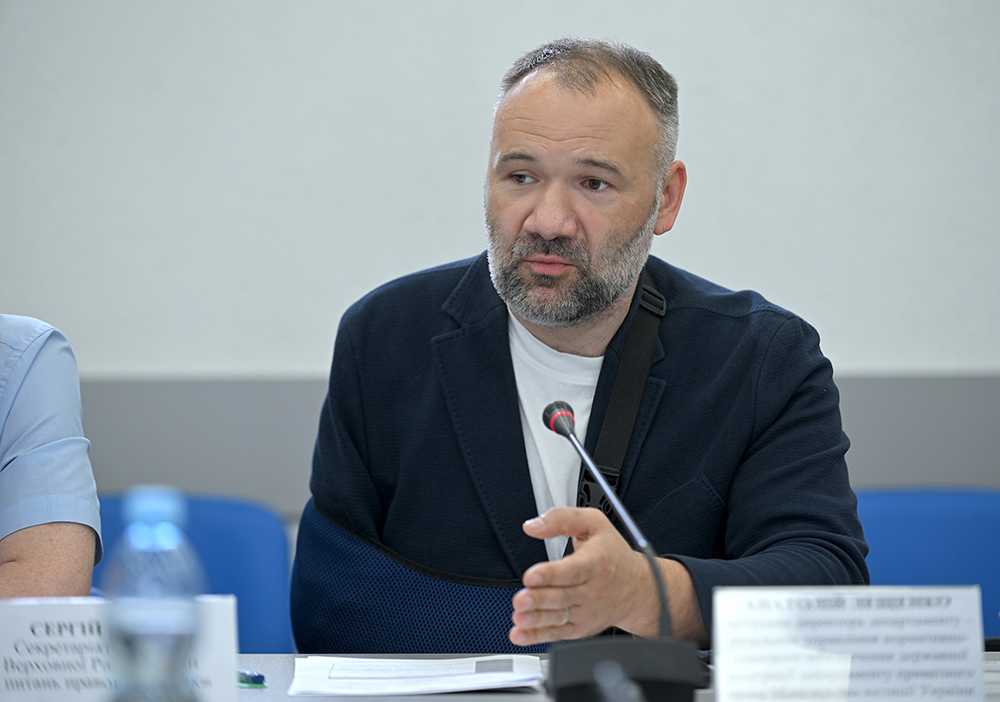
Anatoliy Leshchenko, Deputy Director of the Department – Head of the Directorate for Legal Support of State Registration of the Private Law Department of the Ministry of Justice of Ukraine, noted that the draft law should change the state's very approach to interaction with civil society.
n turn, Viacheslav Khardikov, Director of the State Registration Department of the Ministry of Justice, reported that one of the most effective steps in recent years was the introduction of online NGO registration through the "Diia" portal, based on a model statute.
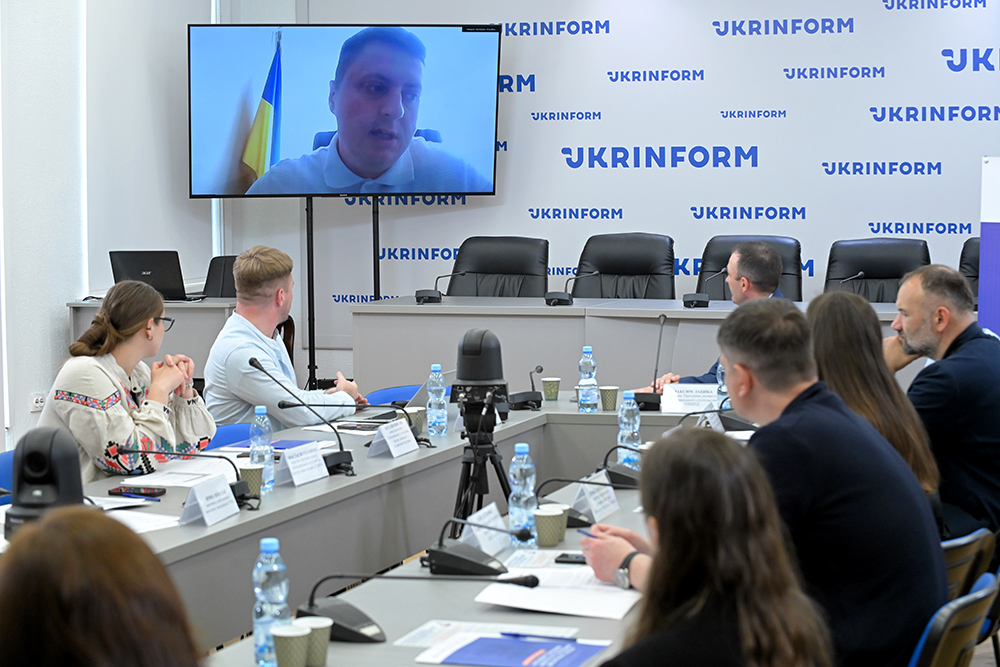
"More than 160 NGOs have already registered online on the basis of a model statute. Registration of establishment takes place automatically, and therefore, the influence of the human factor and additional requirements from registrars are minimized," Khardikov said.
At the same time, he emphasized that currently this service operates within the framework of an experimental project, and therefore, its full and permanent functioning requires the adoption of Draft Law No. 8084.
The participants paid special attention to the digitalization of government services. Nataliia Oksha, Deputy Director of the Department of Information and Communication with the Public of the Secretariat of the Cabinet of Ministers, noted that the electronic and automated registration format was a response to the difficulties public organizations faced in recent years.
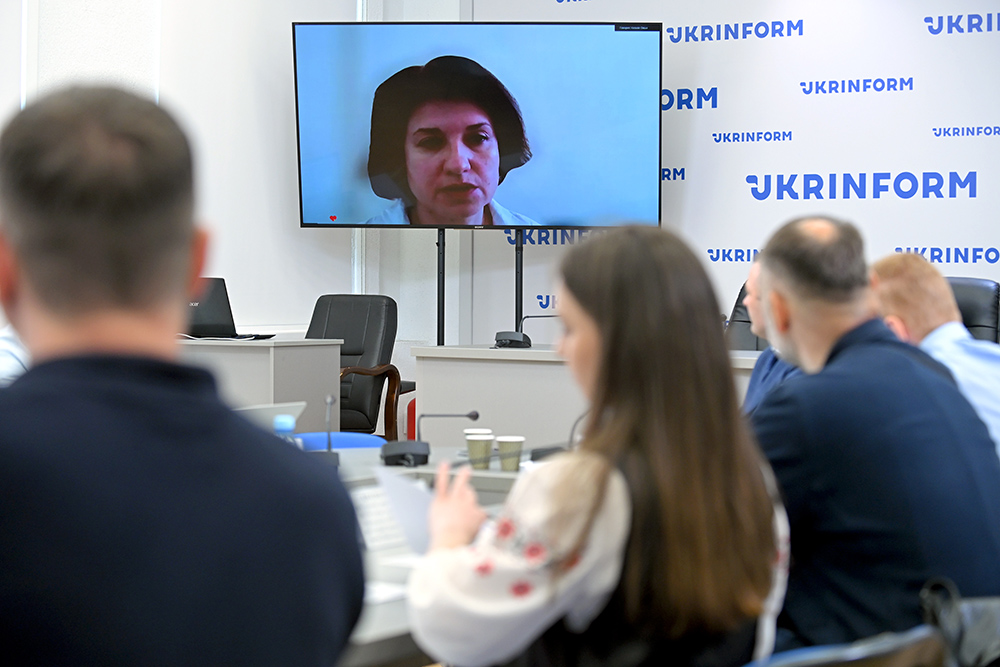
"The issue of simplifying registration procedures, in particular through an electronic automated format, is a response to complications during the registration of public associations. Today, taking into account the duration of the experimental project, we have the opportunity to test the effectiveness of this procedure, see how much it has improved the state of registration of public associations, and also what problematic issues exist," Oksha added.
Dmytro Ukrainskyi, Deputy Director of the Center for Policy and Legal Reforms, drew attention to the need to maintain a balance between simplifying procedures and preventing excessive regulation of public organizations' activities.
Also, Oleh Penenko, a lawyer for the public union "League of the Strong", emphasized the importance of accessible and effective registration procedures for civil society organizations.
Zhanna Soloviova, Executive Director of the NGO "Modern Format" and Chair of the Board of the "Zhytomyr Community Foundation", drew attention to the practical difficulties regional organizations face when interacting with registration authorities and amending documents.
According to her, for local public organizations, the predictability of procedures, uniform application of the law, and the ability to promptly make necessary changes to registration data are particularly important.
At the same time, Oleksandra Hlizhynska, Chair of the Board of the "Republica" Institute, emphasized the importance of public consultations and involving the public sector in finalizing Draft Law No. 8084.
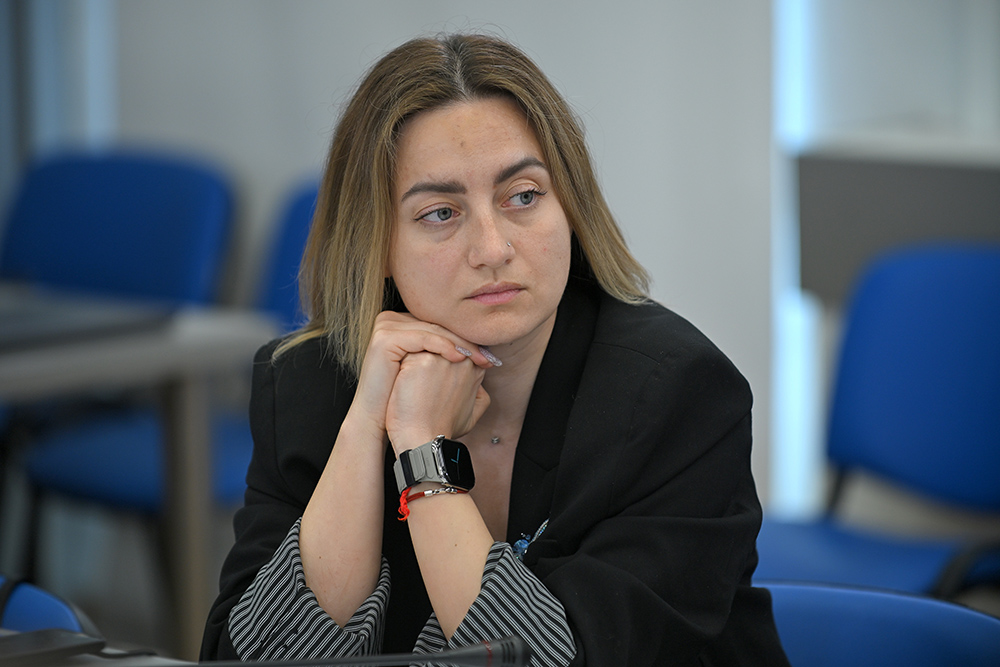
For her part, Alona Bereza, Head of the NGO "Women's Anti-Corruption Movement", highlighted the importance of accessible, predictable procedures for interaction between NGOs and the state, especially for local initiatives and regional CSOs.
According to the roundtable participants, NGOs play an important role in developing democracy, protecting human rights, supporting communities, and addressing the challenges of war. At the same time, the effectiveness of their work largely depends on accessible, clear, and modern state registration procedures.
The event was organized by the NGO "Ukrainian Center for Independent Political Research" with the support of the "Askold and Dir" Fund, administered by ISAR Ednannia within the project "Ukraine's Strong Civil Society – A Driver Towards Reforms and Democracy" funded by Norway and Sweden. The content of the event is the responsibility of the NGO "UCIPR" and does not reflect the views of the governments of Norway, Sweden, or ISAR Ednannia.
Read also: The New Draft Civil Code: What Could Change for NGOs and Charitable Organizations